
Meet the Makers
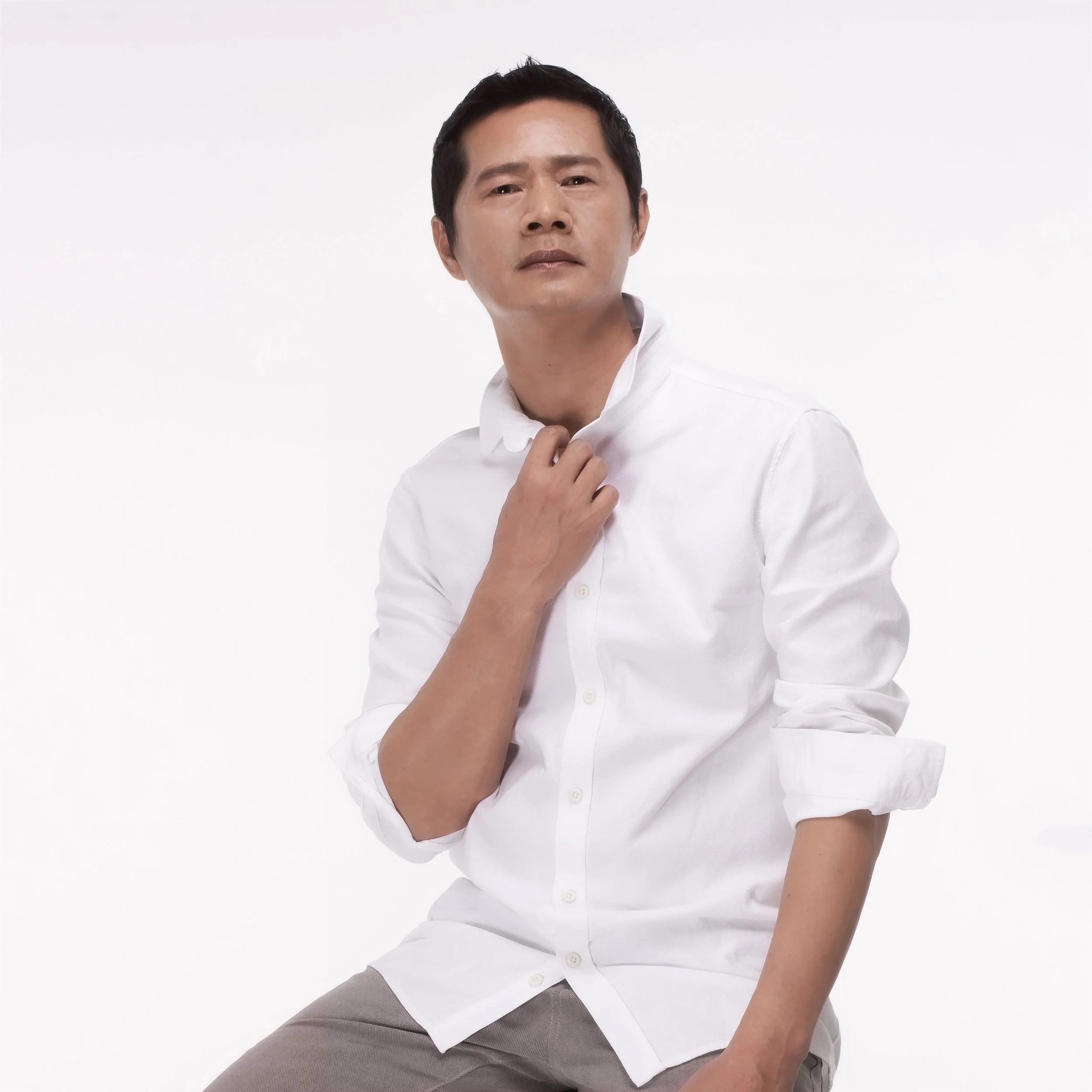
Hung Wen-Liang
Hung Wen-Liang is a Taiwanese designer whose practice began in spatial design. His interior work is grounded in minimalism, drawing maximum spatial potential from the lightest material intervention — an approach recognized internationally with Germany’s iF Design Award and Red Dot Design Award.
From this foundation, he gradually extended into furniture design, treating the work as an ongoing process of cultivation. Rather than pursue form for its own sake, he refines through repeated attention to subtle differences, recalibrating until structure, proportion, and tactility settle into a state that feels naturally formed.
His furniture language is rooted in local culture while embracing the restraint of Nordic design. He frames his methodology as “Preserving Essence, Transforming Form” — retaining intrinsic qualities while allowing form to evolve across contexts.
For Hung, design is not an object merely to be observed, but something to be used, perceived, and gradually imbued with meaning. In this process, time itself — and the traces of use — becomes part of the design.
This philosophy finds its clearest expression in his first furniture piece — the Er Chair, where cultural memory, structural logic, and the patina of everyday use converge in a single object.
He began with the armrest’s cross-section, naming it for the ear it resembled — clear, but too direct. Then he paused: a chair defined by form alone says little. So ear gave way to 而, Er — in classical Chinese, a connector that links, transitions, and carries meaning forward. Not a word, but a method.
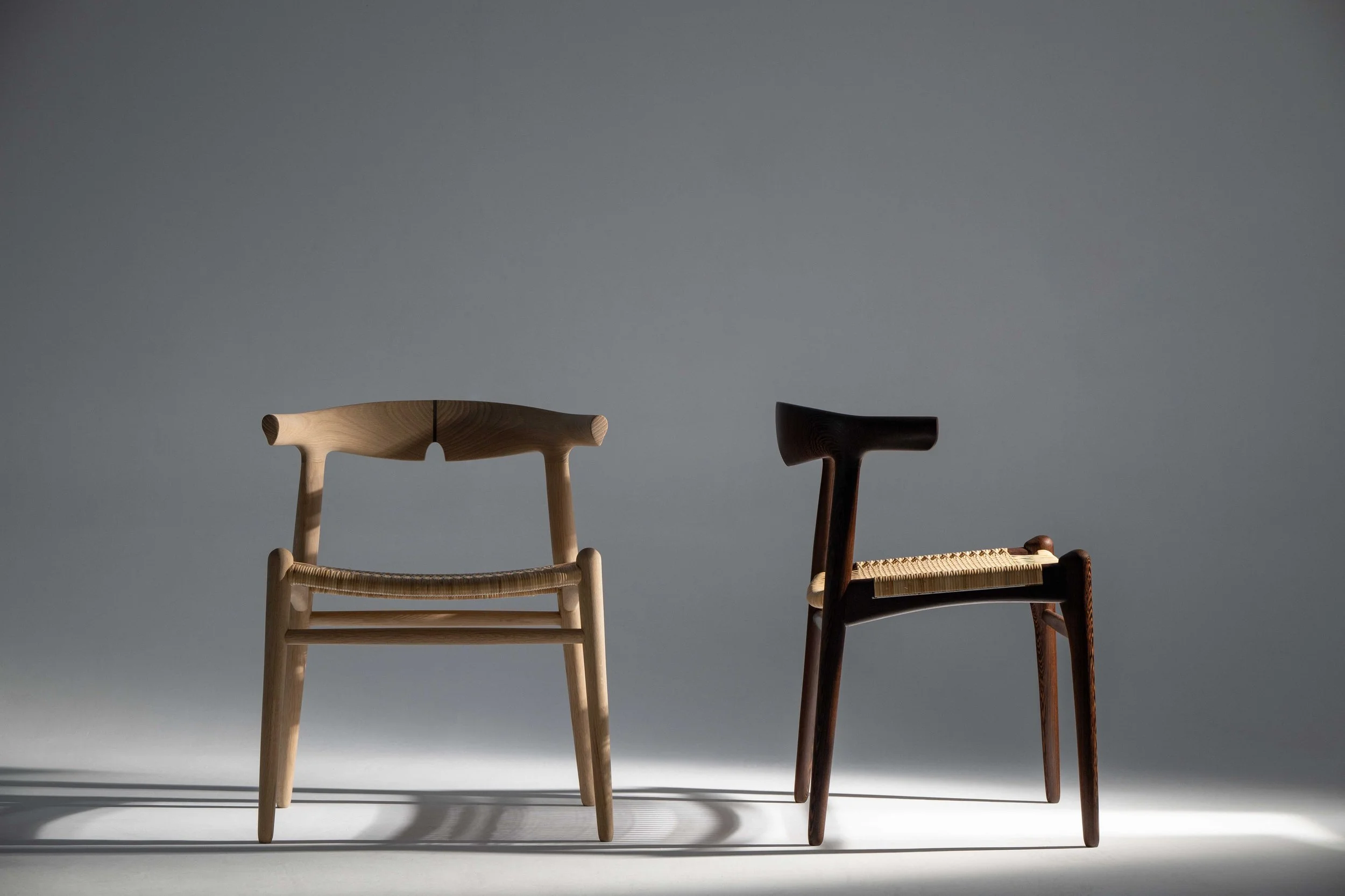
The Er Chair
The Er Chair translates cultural narrative across space and time, returning design to everyday life where it can be genuinely used and experienced. It merges the Scandinavian ethos of restraint with local cultural vocabulary — preserving the essence while letting form evolve — and expresses a quiet, refined craftsmanship through precise structure and detail.
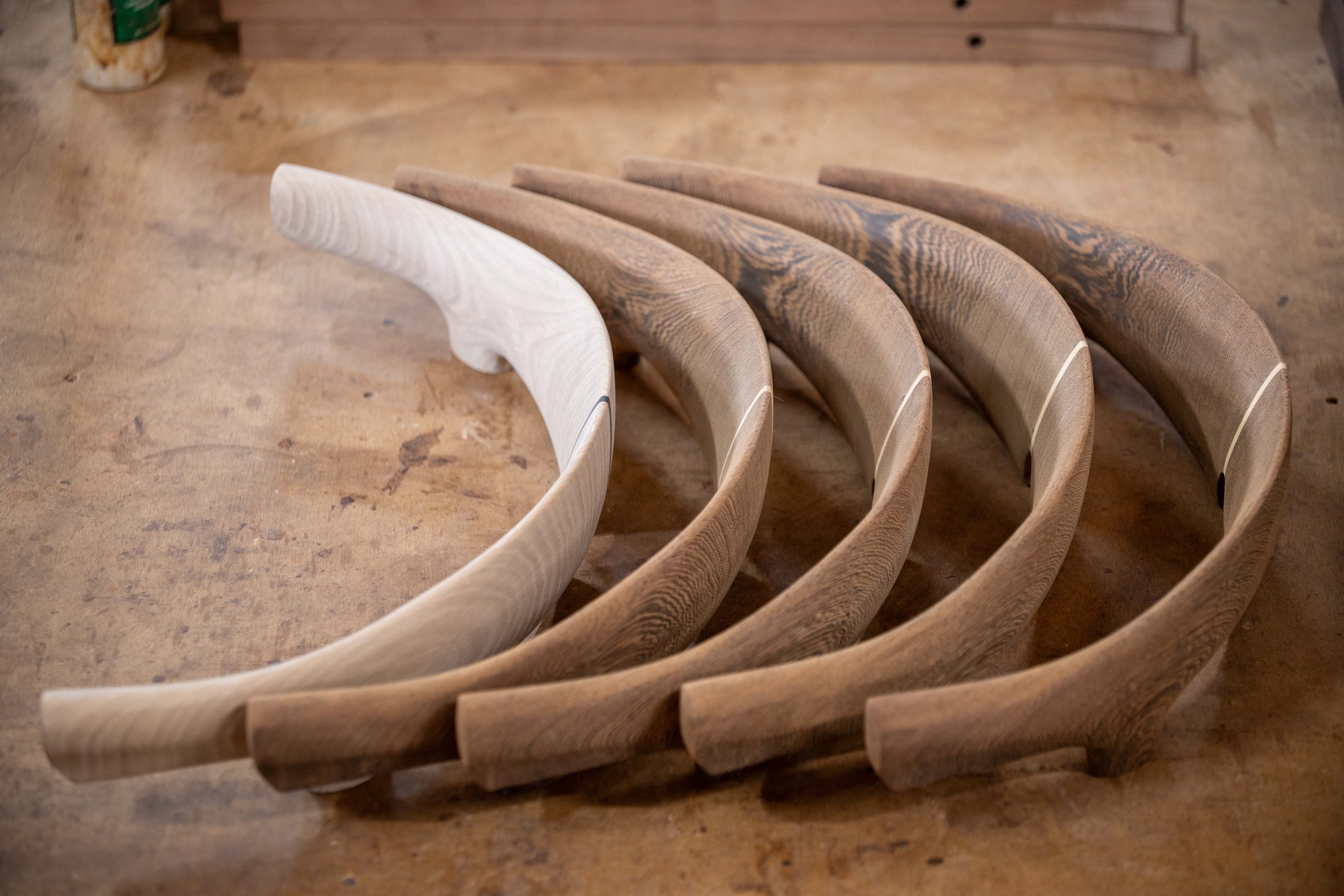
Its formal language is rooted in Taiwan’s agricultural culture. The inverted U-shaped cut-out in the backrest, inspired by the nose ring of a water buffalo, becomes an abstract opening: a passage from restraint to freedom. The front edge of the armrest recalls a buffalo’s ear while also suggesting a comma — pause and continuity within a journey. The rear legs follow the fluid motion of calligraphic strokes, and the inverted teardrop at the top of the front legs echoes the human knee, balancing visual expression with structural logic.
Functionally, the chair is grounded in ergonomics, integrating seat, backrest, and short armrests to support diverse postures and extended use, with a structure poised between stability and lightness. It is crafted using traditional techniques from local artisans: solid wood and woven rattan, chosen for their natural texture and warm tactility, with the rattan seat adding breathability and comfort. Sustainability is built in through recyclable materials and a simplified structure that reduces resource use while letting the object’s value accumulate over time.